The digital ecosystem is still moving forward at this pretty wild pace. Companies keep adjusting , trying to match what consumers want, deal with fresh technological innovations, and find newer ways to talk to people , like it’s all a moving target. And yeah, as rivalry heats up in almost every sector, businesses are throwing more resources into modern marketing approaches just so they stay seen and keep steady growth going.
From artificial intelligence to content personalization, plus social commerce and voice search , a bunch of trends are changing how brands talk with consumers. Organizations that actually notice what’s happening, then adapt fast, tend to end up with better customer bonds and a more durable long-term path.
Artificial Intelligence Is Reshaping Marketing Strategies
AI has become one of the main forces in digital marketing, not just some optional tool. Marketers are using AI-driven platforms to simplify workflows, watch customer behavior, and craft experiences that feel more personal.
These kinds of AI uses can help marketers with stuff like:
- Understanding user intent.
- Automating repetitive work.
- Improving customer support.
- Boosting campaign outcomes.
- Pulling out insights that are actually usable.
When businesses mix advanced analytics with automation, they can make more informed choices, increase efficiency, and often see stronger customer engagement.
Video Content Continues to Dominate
A lot of people seem to prefer video over plain written text, at least in practice. Short-form videos, tutorials, product walkthroughs, and live streams have become very effective ways to grab attention quickly, and keep it.
Video marketing helps brands to:
- Boost engagement.
- Build brand awareness.
- Improve reach on social platforms.
- Increase website traffic.
- Drive stronger conversion performance.
And since platforms keep pushing video harder, businesses that invest in creative visual storytelling could end up with an edge that’s harder to copy.
Voice Search Is Influencing Search Behavior
Voice-enabled devices are becoming more common, and that changed how people look for information online. Instead of typing, users often ask conversational questions, like they’re talking to a real person, not a search bar.
That means content needs to be optimized for natural language , including questions and phrasing that sounds human. Voice search optimization lets brands stay discoverable while consumer searching habits keep shifting.
Businesses that move early can also improve accessibility, plus the overall user experience.
Personalization Is Becoming Essential
Modern consumers want brands to get them. They want relevance, not generic messaging that sounds like everyone else. So when marketing feels one-size-fits-all, people tune it out faster.
More companies are leaning on customer data to create:
- Targeted email journeys.
- Customized recommendations.
- Personalized advertisements.
- Content designed for specific audiences.
- Dynamic user experiences.
These personalized touchpoints tend to reinforce relationships and bring better satisfaction , which often turns into loyalty.
Social Media Has Evolved Beyond Brand Awareness
Social media isn’t only for chatting or posting brand updates anymore. It’s become a channel for lead creation, customer service, and even direct transactions.
Businesses are using social platforms to:
- Build communities.
- Work with influencers.
- Run interactive campaigns.
- Talk to customers in real time.
- Bring visitors back to their websites.
As social commerce grows, brands are finding fresh ways to connect with consumers across the whole buying journey, not just at the moment of purchase.
Local Search Is More Important Than Ever
People increasingly search by location, usually to find what’s nearby. Because of that, local optimization is basically a must-have part of many digital marketing plans now.
When companies focus on local visibility they can improve:
- Search rankings.
- Website traffic.
- Customer inquiries.
- Foot traffic.
- Brand recognition.
Partnering with a skilled SEO agency in Mumbai can help organizations put local search tactics in place that attract highly relevant audiences, and raise overall visibility too.
Data Privacy and Consumer Trust Matter More
People are more aware of online privacy than before, so transparency is now a big deal for customer relationships. Businesses need to collect and manage user data in a responsible way, not in a “trust us” kind of way.
Brands that treat privacy and security as priority, generally win more customer trust and build stronger reputations. Clear communication, plus responsible data handling, supports long-term loyalty and confidence.
The Rise of Social Commerce
More consumers are buying directly through social platforms. With shopping features built inside apps and feeds, social networks are turning into serious sales channels.
Social commerce gives businesses a chance to:
- Lower friction in the buying process.
- Increase customer engagement.
- Reach younger audiences.
- Improve conversion outcomes.
- Upgrade brand experiences.
And as this trend continues to rise, companies have to blend their marketing efforts with their eCommerce strategy if they want to pull the best results.
Mobile Experiences Continue to Drive Success
Mobile devices make up a large share of internet usage, so consumers expect smooth experiences on any screen size. If a page feels clunky on a phone, they bounce , simple.
Mobile optimization affects:
- User engagement.
- Search engine rankings.
- Conversion rates.
- Customer retention.
- How the brand feels in people’s minds.
Companies that focus on responsive layouts and fast-loading performance are in a stronger position to meet shifting customer expectations.
Data Analytics Is Powering Smarter Decisions
Most modern marketing now depends on analytics and performance tracking. Businesses can access insights that help them understand what customers do , then adjust campaigns to match reality.
Key metrics like:
- Traffic sources.
- Conversion rates.
- User engagement.
- Customer demographics.
- Return on investment.
The Need for Integrated Digital Strategies
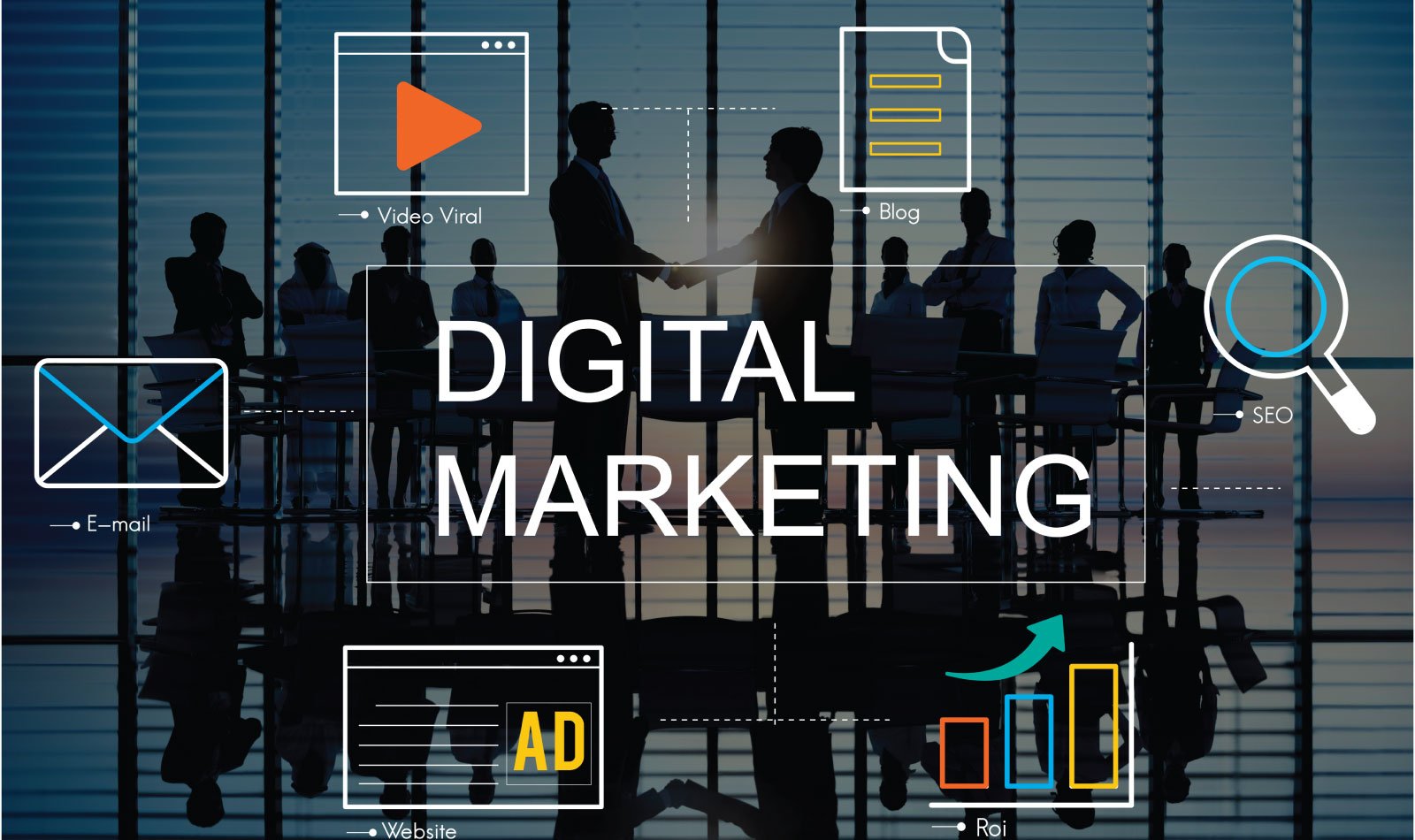
As digital channels become more and more intertwined , businesses are kinda moving away from separate campaigns, and going toward integrated marketing approaches. When you blend SEO, content marketing, social media, paid advertising and email marketing, you usually end up with more unified customer experiences, not just a bunch of random touch points.
A lot of leading digital marketing agencies in India are now leaning into omnichannel strategies, so the brand message stays consistent across different touchpoints. Honestly this kind of method helps solidify brand identity and it often leads to better outcomes across the entire customer journey.
Looging Ahead
The digital marketing landscape will keep changing, mostly because technology evolves and consumer preferences shift over time. Companies that actually accept new ideas, and stay flexible, tend to be more prepared for whatever shows up next.
On top of that, emerging technologies, more tailored experiences, and data-driven strategies are steering the next stage of digital growth. Organizations that manage to stay ahead of these movements can strengthen their presence in the market and build relationships that last longer with customers.
Conclusion
Digital marketing is changing fast, which opens fresh opportunities for businesses to reach audiences and grow. Trends like artificial intelligence, video content, voice search, personalization, and social commerce are basically reshaping how brands work in the online space.
If companies adapt early to these changes, and invest in smart marketing initiatives, they’ll usually be in a better position to succeed in a more competitive environment. And if they keep leaning into innovation, while really focusing on customer experiences, businesses can unlock growth that’s more sustainable, plus long-term success too.